
Foundations of Connection
Practicing the 10 Stones together to create and strengthen connective containers with the people in our lives
Four Weeks on Thursdays, Apr 23, Apr 30, May 7, May 14
Hosted by Root Cuthbertson, Shore Charnoe, and Aidan Young
10am PDT, 2 Hours Live on Zoom
(1pm EDT, 18h BST, 19h CEST, find your time)
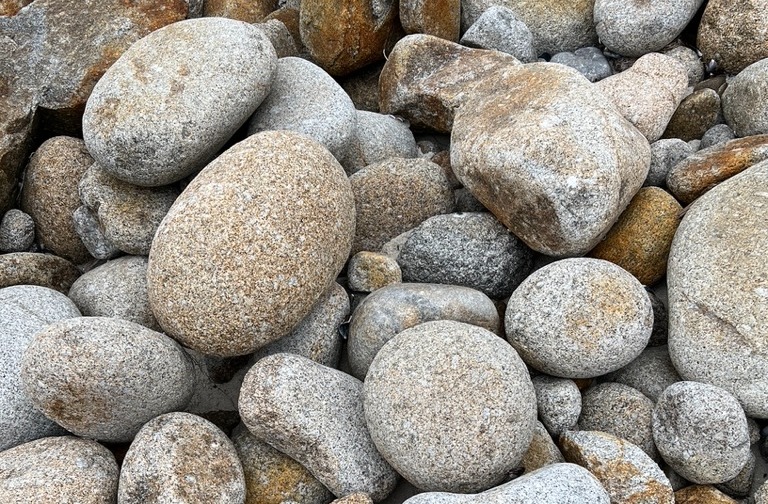
Image credit: flensshot on Pixabay
Have you ever participated in an event that just felt good — where you walked away wishing you could bring the people you care about into that same experience?
If you've ever wanted to know how to invite others into that kind of connection, this course is for you. You'll walk away with the tools to bring that feeling into the groups and communities that matter most to you.
Imagine this - you show up to an event that promises to be fun and connective. But as the event unfolds, you find yourself never really settling in, counting down the minutes, and quietly relieved when it's finally over.
Now imagine a different experience - you're so present and engaged that time disappears completely. The event ends and you don't want to leave. You linger in the warmth and connection you feel, drawn into wonderful conversations, and feeling your whole nervous system relax.
What's the difference between those two events?
We are going to explore that question together, lifting up the principles and practices that lead to connective experiences, whether in an event like the one described above, in a team, or between two people.
There are things that can be practiced behind the scenes — through a simple agreement field, applying the 10 Stones of Connection — that have proven to be effective at creating safe, fun, and happy environments where people can fully be themselves and truly enjoy the moments together.
In this course, we're going to workshop these practices together, and offer strategies for implementing them in the groups you're currently involved with.
Listen - Jon & Shore discuss the origins & benefits of the 10 Stones
We offer a sliding scale for accessibility, and truly appreciate those who help create balance by giving more!
Members of the Living Connection 1st Village and/or Village Building receive a discount on all of our programs.
Expected Outcomes & Week-by-week Schedule
By the end of Foundations of Connection, you'll have a practical, proven set of tools — the 10 Stones of Connective Culture — that you can begin using right away in the groups and communities that matter most to you.
You'll know how to open and close a gathering with intention, how to create the conditions where people feel welcome, seen, heard, and valued, and how to listen and communicate in ways that bring out the best in others.
You'll have a deeper understanding of what people need to feel like they truly belong, and strategies for tending to your own personal peace so you can show up for your community even when things get hard.
You'll leave with the confidence to introduce these ideas to others as an invitation to a way of being together that feels fun, easy, and connective for everyone involved.
Session 1: Cornerstones of Connection
Welcome — Before the gathering begins, set an intention to support connection. Arrive with personal peace, gratitude, and an openness to others.
Road Dust — Invite everyone to set aside stress and distraction so they can be fully present for the purpose of the gathering.
Gratitude — A simple round of heartfelt gratitude brings hearts and minds together and starts the gathering on a positive note.
Closing Well — Summarize, reflect, and offer gratitude. A intentional close creates a sense of completion, leaving everyone feeling fresh, clear, and connected.
Session 2: Meeting Needs
The 5 Needs — To be seen. To be heard. To belong. To contribute. To be valued. Interpersonal neurobiology tells us the same thing.
Unconditional Listening — Be fully present with a quiet mind. The deeper the listening, the more empowered the storytelling becomes — bringing new insights and meaning to both listener and speaker.
Curiosity, Intuition & the Emergent Mind — From a centered place, genuine curiosity can guide conversation and deepen connection. Over time, a group develops its own resonance — a unified presence that supports everyone's wellbeing and authentic self.
Culture of Allowance — Release judgment, projection, and expectation. Embrace an open, accepting stance toward others' choices and perspectives. When tensions arise, tune into the group resonance for greater perspective.
Lifting Up Gifts — Draw out the unique talents, passions, and perspectives each person brings. When individuals recognize and embrace their own gifts, they hold a stronger resonance within the group — and a more empowered community emerges.
Together, these Stones meet all 5 Needs.
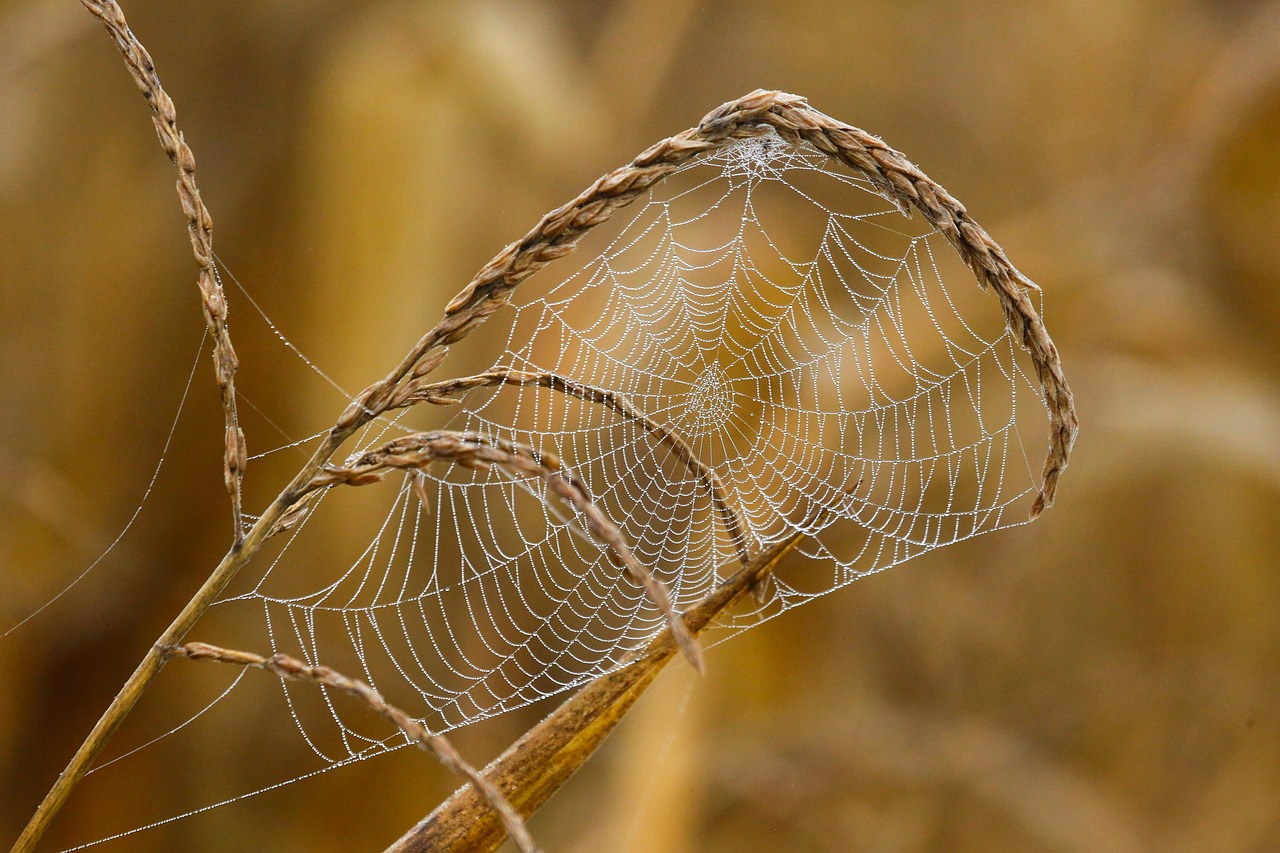
Image credit: schauhi on Pixabay
Session 3: Connective Approaches
Peace Tending — Cultivate your own personal peace as a foundation. When you communicate from a place of peace, it ripples outward. Groups rooted in peace are better equipped for difficult conversations, quick action, and resilience in the face of challenge.
Healing — Historic trauma shows up in most groups. Normalize this, and build pathways for it — tension-sorting meetings, a Clean and Clear practice, facilitated mediation, or seasonal sessions for expressing and integrating difficult emotions. Agree together to invest in cleaning the ropes of connection.
Returning to Peace — You won't always feel at peace, and that's okay. Know your own routes back — gratitude, nature, movement, mindfulness, music. Keep that list somewhere visible.
Orientation & Re-orientation — Give newcomers a clear welcome into the group's agreements and expectations. At least once a year, gather everyone to review, refresh, and recommit together.
Facilitation as Cultural Element — Light, intentional facilitation helps everyone feel included — seen, heard, valued, and able to contribute. As the group develops its skills and culture, less facilitation is needed over time.
Session 4: Considerations
Why We Do This — Restoring empathy, reclaiming connection, and building a community of practice that strengthens your group and promotes connective culture.
What People Are Telling Us — Real stories from people experiencing the 10 Stones in their communities.
Introducing the 10 Stones to Others — How to share what you've learned and invite new groups into connective culture.
Wrapping the Bundle — A full review of all 10 Stones, closing gratitude, and sending good energy out into the world.
We offer a sliding scale for accessibility, and truly appreciate those who help create balance by giving more!
Members of the Living Connection 1st Village and/or Village Building receive a discount on all of our programs.


